By William Oxby, Partner, Environment, Planning, Native Title and Land Access, Johnson Winter Slattery | Published 18 November 2026 | Current as at 18 November 2026
Eurimbula Project Co Pty Ltd v Gladstone Regional Council [2026] QPEC 45
Short answer: Yes, but it is now much harder. After Eurimbula, a pre-18 July 2025 solar farm or battery approval is much less likely to be extended.
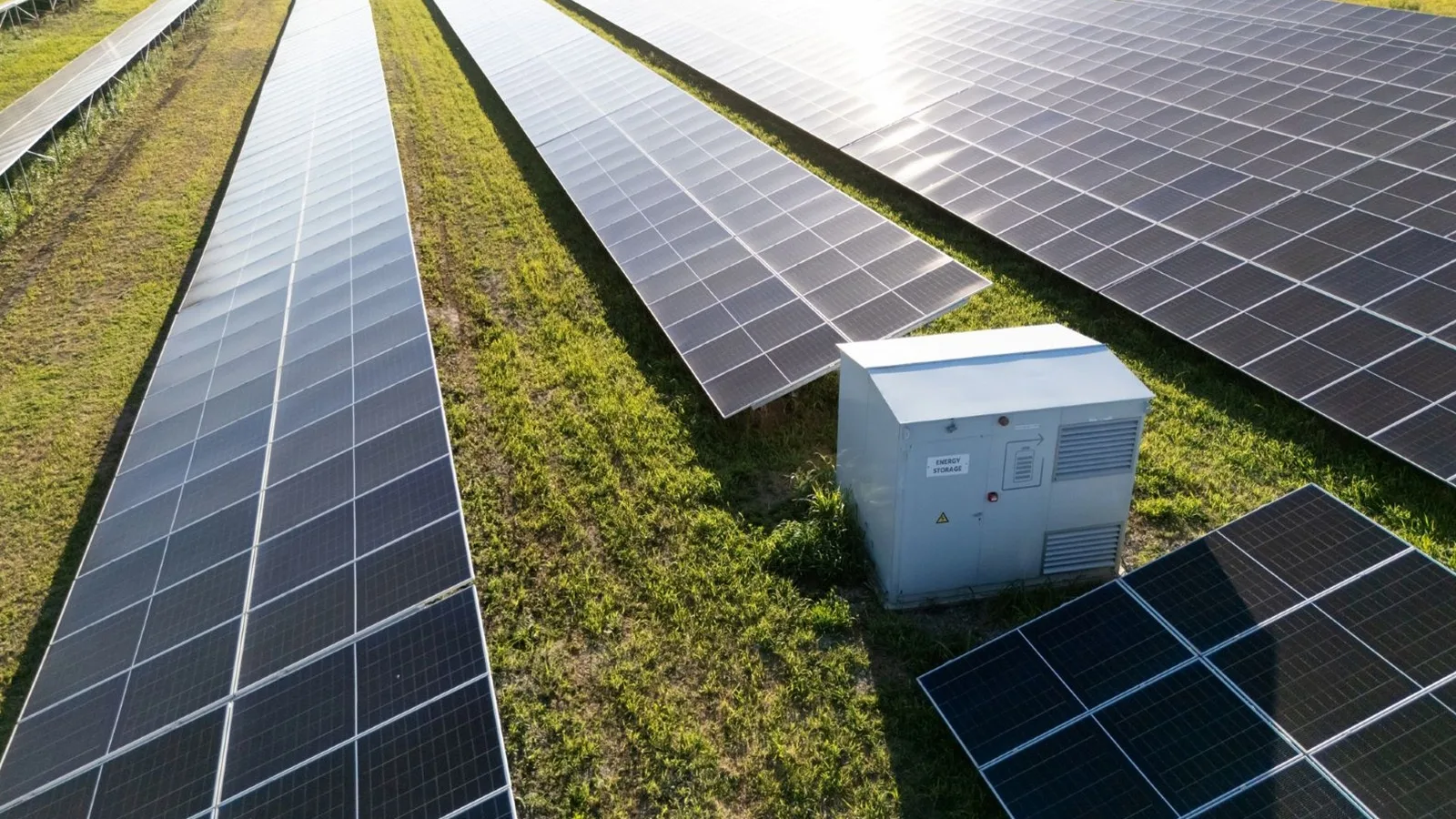
On 13 November 2026, in Eurimbula Project Co Pty Ltd v Gladstone Regional Council [2026] QPEC 45, the Planning and Environment Court of Queensland refused to extend by 4 years the currency period of a 2018 development approval for a solar farm, battery energy storage system and substation at Bororen, south of Gladstone, in Queensland.
The Court accepted that the developer had not "warehoused" the development approval and had spent more than $40 million pursuing the development and related approvals, including under the Environment Protection and Biodiversity Conservation Act 1999 (Cth) (EPBC Act).
The extension was nevertheless refused for two interlinked reasons. First, 4 more years was unlikely to be long enough for the development to start. Second, following the commencement of the Planning (Social Impact and Community Benefit) and Other Legislation Amendment Act 2025 (Qld) (2025 Amendment Act), there was a sound town planning basis to subject the development to a fresh development application.
The 2025 Amendment Act had brought about a significant shift in the planning landscape: a fresh application would now require a social impact assessment, a community benefit agreement, impact assessment and public notification, none of which applied to the original approval.
What happened in the Eurimbula case?
A code assessable development application was made in February 2018 for a combined solar farm, battery and substation. The development application was not publicly notified. Gladstone Regional Council (Council) granted the development approval on 29 August 2018. Unless extended, the currency period of the development approval was taken to have ended on 30 August 2026.
On 28 March 2025, the developer applied under section 86 of the Planning Act 2016 (Qld) (Planning Act) to extend the currency period of the development approval by 4 years to 30 August 2030. The 2025 Amendment Act took effect on 18 July 2025, before the application was decided. Council's delegate refused the extension on 1 August 2025, and the appeal to the Court was commenced on 5 August 2025.
In the meantime, on 27 May 2024, the project had been declared a controlled action requiring assessment and approval under the EPBC Act. Evidence accepted by the Court was that, of 89 like projects declared controlled actions since 1 January 2023, only one had been approved.
How does the Court decide an extension application?
In considering an extension application, section 87(1) of the Planning Act gives the assessment manager, and the Court on appeal, a broad discretion to consider any matter it considers relevant, even if that matter was not relevant to the original development application. The decision must be made in a way that advances the purpose of the Planning Act (s 5(1)). On appeal, the applicant bears the onus.
The Court held that the key question is whether there is a sound basis in town planning to subject the development to a fresh assessment and the associated public and private expense (at [53]).
The Court identified two factors as significant in the exercise of the discretion (at [54]):
Factor 1: Assuming an extension is granted, will 4 years be sufficient for the approved material change of use to proceed?
Factor 2: Is there a sound basis in town planning to subject the approved development to a fresh assessment and application process, thereby incurring the associated public and private expense?
Would 4 more years be enough to start the development?
The Court held that, on the balance of probabilities, more than 4 years would be required to start the approved development. Pivotal to that finding was the time needed to complete the EPBC Act approval process, which was beyond the developer's control, and then to obtain updated approvals from Powerlink and AEMO, and operational works approvals.
Was there a sound town planning basis for a fresh application?
Yes. The Court held that the 2025 Amendment Act provided a sound town planning basis to subject the approved development to a fresh assessment and application process. This was because a fresh application would:
- unless excused, need to be preceded by a social impact assessment, which was not required for the 2018 development approval;
- unless excused, need to be preceded by a community benefit agreement negotiated with Council;
- be impact assessable and decided by the chief executive, not Council, which would broaden the matters the assessment manager may consider beyond those considered in 2018; and
- be publicly notified for the first time, giving the community an opportunity to make submissions and potentially appeal. The Court gave this considerable weight, because extending the approval would in effect permit a 30-year project that did not require public notification and involvement.
Key takeaway
After Eurimbula Project Co Pty Ltd v Gladstone Regional Council [2026] QPEC 45, extension applications for solar farm, battery and other major renewable energy facility approvals decided before 18 July 2025 are likely to be more difficult, and in some cases a fresh development application will be required. Where an extension application is anticipated, its realistic prospects should be assessed now so that no time is lost if a fresh application is needed.
Frequently asked questions
Can a Queensland development approval be extended after the 2025 community benefit reforms?
Yes, but it is much harder for solar farm and battery approvals granted before 18 July 2025. In Eurimbula [2026] QPEC 45, the 2025 community benefit reforms provided a sound town planning basis to refuse a 4-year extension.
Will the Court consider the amount of expenditure on the approval process?
Yes, but it will not be decisive. In Eurimbula, the Court accepted that the developer had not warehoused the approval, had spent more than $40 million and had sufficiently explained its delay, but still refused the extension.
How much could a community benefit agreement cost?
It depends on the council policy and the project. In Eurimbula, the Court noted that Gladstone Regional Council's policy suggested a minimum contribution of about $700,000 per year, or about $21 million over a 30-year project life.
Is an EPBC Act delay a good reason to extend a State approval?
It can explain delay, and the Court accepted it did in Eurimbula. But it also weighed against the extension, because the EPBC Act process made it unlikely that the use would start within the 4 years sought.
Did the Court take into account the cost of a community benefit agreement?
Yes, but it did not change the outcome. The Court accepted that a fresh application would be "highly unattractive" to the developer, including because of the likely contribution. However, that cost did not outweigh the significant shift in the planning landscape.
Does the Eurimbula reasoning apply to wind farms?
Likely, yes. Eurimbula concerned a solar farm and battery, but the Planning (Social Impact and Community Benefit) and Other Legislation Amendment Act 2025 (Qld) also applies to large-scale wind farm development.
Does this decision influence due diligence processes?
Yes. Buyers and financiers should carefully assess how much weight to give, in any due diligence, to the likelihood of an extension application being granted for a pre-18 July 2025 approval.
How can Johnson Winter Slattery help?
Johnson Winter Slattery's Environment, Planning, Native Title and Land Access team regularly advises renewable energy and resources proponents on development approvals, extension and change applications, Planning and Environment Court appeals, EPBC Act approvals and community benefit agreements. Related article: Can you be prosecuted under both State and Commonwealth environmental laws in Australia?
About the author: William Oxby is a Partner in the Environment, Planning, Native Title and Land Access practice at Johnson Winter Slattery. He has over 25 years' experience advising the energy and resources sector. Contact: William.Oxby@jws.com.au | +61 7 3002 2586 | William Oxby - Johnson Winter Slattery.
This article is general information only and is not legal advice. Current as at 18 November 2026. We will update this article if an appeal is filed.